
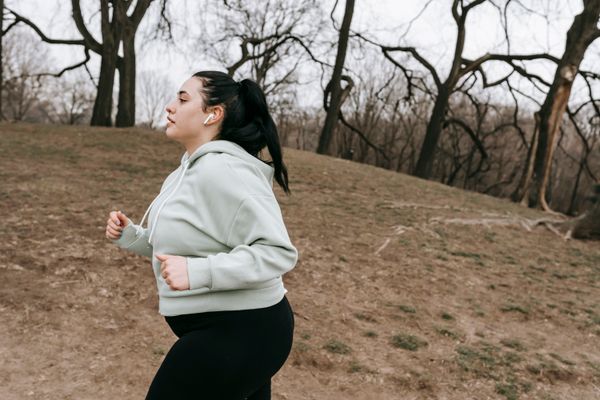
The clocks have gone back, the leaves are turning, and suddenly the after-work run starts in twilight and ends in darkness. For many recreational runners, this is the week when motivation quietly slips. The good news: late autumn can be one of the most rewarding seasons to stay active, as long as you adjust your routine a little. Cooler air is kind to the heart and lungs, crowds on the paths thin out, and the runs you squeeze in now build the base that carries you through winter.
Why does running feel harder when the days get shorter?
Part of it is simple biology. Less daylight means less natural light hitting your eyes, which nudges your body clock towards earlier sleepiness and can lower your mood and energy. Cold muscles are also stiffer at the start, so the first kilometre feels heavier than in summer. And there is the mental side: a dark, wet evening simply looks less inviting than a bright one. None of this means you are getting less fit. It just means your plan needs to work with the season, not against it.
Move some runs into daylight. If your schedule allows, shift one or two weekly sessions to the morning or lunchtime. Even twenty minutes in daylight boosts alertness and helps you sleep better after the time change. A weekend long run in the late-morning sun can become the highlight of your week.
Be seen, not just warm. When you do run after dark, visibility matters more than speed. Choose a jacket or vest with reflective details, add a small clip-on light, and consider a head torch for unlit park paths. Drivers notice moving lights far earlier than dark clothing. Stick to familiar, well-lit routes and let someone know where you are going.
Dress in layers. A good rule of thumb is to dress as if it were about ten degrees warmer than it is, because your body heats up quickly. A thin base layer, a light windproof top, gloves and a headband are usually enough for typical October and November temperatures. You can tuck gloves into a pocket once you warm up.
Warm up indoors. Five minutes of leg swings, lunges, hip circles and gentle skipping before you step outside makes the first minutes far more comfortable and lowers the risk of strains. After the run, change out of damp clothes quickly so you do not cool down too fast.
Watch your footing. Wet leaves can be as slippery as ice, and they often hide kerbs, roots and puddles. Shorten your stride on corners and downhill stretches, and choose shoes with a grippy outsole if you often run on trails.
Lower the bar, keep the habit. Autumn is not the time to chase personal bests on every outing. Set a modest goal, such as three runs a week of any length, and celebrate consistency. A run club, a training partner or a simple calendar on the fridge where you tick off each session can work wonders for motivation.
With a few smart changes, the darker months become a chance to build strength and resilience rather than a pause button. Lace up, switch on your light and enjoy the crisp air: spring-you will be very grateful.