
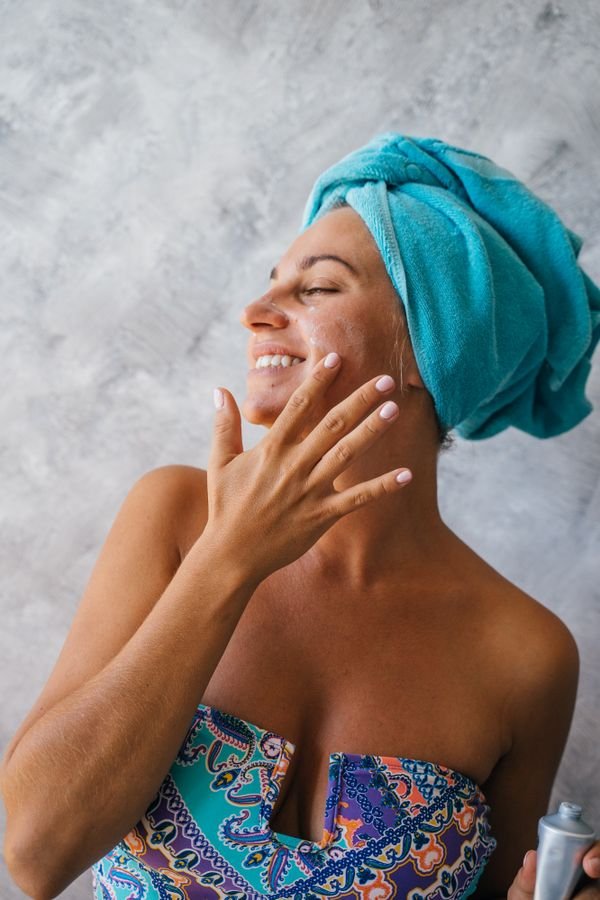
The heating is back on, the mornings are cold and the air outside has lost its summer softness. For many people, late October is exactly when skin starts to feel tight, flaky or itchy. The good news: a few small changes to your routine make a noticeable difference, and none of them require an expensive cabinet full of products.
The reason is simple. Skin keeps its moisture thanks to a thin outer layer that works like a wall of bricks and mortar. When humidity drops, both outdoors in the wind and indoors next to warm radiators, water escapes from that wall faster. The result is the familiar dull, rough feeling that often arrives together with the first frosty week.
Why does your summer moisturizer suddenly stop working?
Light gels and lotions are great for warm, humid months, but in the cold season they often evaporate before they can do their job. Dermatologists generally recommend switching to a thicker cream or balm in autumn and winter. A useful rule of thumb: if a product comes out of a pump bottle, it is probably on the light side. Creams from a jar or tube usually carry more of the ingredients that hold water in the skin.
When you read labels, look for ingredients such as glycerin, ceramides, hyaluronic acid, shea butter or urea. They either draw water into the skin or help seal it in. Fragrance-free options are kinder to skin that is already irritated.
Timing matters more than price
The most effective moment to moisturize is within a few minutes after washing or showering, while your skin is still slightly damp. The cream then traps that leftover water instead of sitting on top of dry skin. This simple habit often helps more than switching to a pricier product.
Rethink the long, hot shower
A hot shower feels wonderful on a cold evening, but very hot water strips away the natural oils that protect your skin. Try keeping showers shorter and the temperature warm rather than steaming. Use a mild, gentle cleanser and save scented soaps for the occasional treat.
Give your home a little humidity
Indoor heating can push room humidity surprisingly low. A small humidifier in the bedroom, a bowl of water near the radiator or a few houseplants can help. Airing rooms briefly but fully several times a day also keeps the climate pleasant without letting the walls cool down.
Do not forget hands, lips and sunscreen
Hands are washed most often and suffer first, so keep a small tube of hand cream by the sink and in your bag. Gloves on windy days protect them even more. For lips, a simple balm without strong flavours works best; licking dry lips only makes them worse. And although the sun is lower, UV rays still reach your face on clear days, especially in the mountains or near snow, so a moisturizer with SPF is worth keeping in your routine.
Finally, remember that skin also reflects what happens inside. Drinking enough water, eating foods rich in healthy fats such as nuts, oily fish or olive oil, and getting enough sleep all support a healthier barrier. If dryness becomes painful, cracked or does not improve, a visit to a pharmacist or dermatologist is the right next step.
With a richer cream, a gentler shower and a bit more moisture in the air, the cold months can feel a lot more comfortable, and your skin will thank you all the way to spring.