
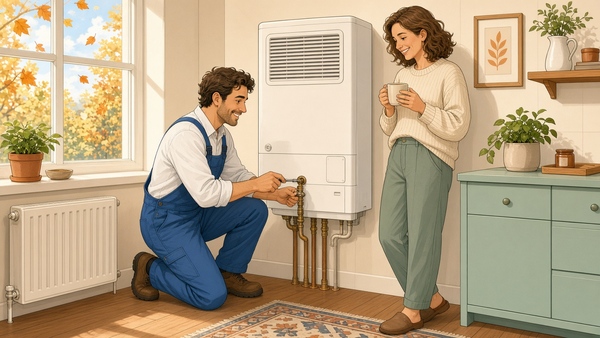
The first properly cold mornings have arrived in many places, and with them comes a familiar moment: someone turns the thermostat up for the first time since spring and waits to hear whether the heating comes back to life. Most of the time it does. But autumn is exactly when small problems that slept through summer show up, and it is also when heating engineers and plumbers get busier with every passing week. Booking a service now, rather than in the first real cold snap, is one of the simplest ways to keep your home warm and your winter calm.
Why is early autumn the best time to call a heating professional?
The answer is mostly about timing and demand. In September and early October, many tradespeople still have open slots, appointments can be planned around your week, and there is time to order a spare part if something needs replacing. Once temperatures drop sharply, calls for broken boilers and cold radiators rise quickly, and routine maintenance slips down the list behind emergencies. A planned visit is usually shorter, cheaper and far less stressful than an urgent one on a freezing evening.
There is a practical efficiency side, too. A system that has been cleaned, checked and correctly adjusted tends to use energy more evenly. Whether you have a gas boiler, an oil burner or a heat pump, a professional can check pressure, safety devices, flue or air flow and control settings, and spot wear before it turns into a breakdown.
What you can check yourself before the visit
You do not need tools or technical knowledge to prepare. A few easy observations will help the engineer work faster:
- Listen and look. Note any new noises such as banging, gurgling or whistling, and any warning lights or error codes on the display. A quick photo on your phone is ideal.
- Feel the radiators. If some are warm at the bottom but cold at the top, they may need bleeding. If one stays cold completely, mention it.
- Check the pressure gauge. Many systems have a small dial. Write down the reading when the heating is off and when it is running.
- Clear the space. Make sure the boiler, heat pump or valves are easy to reach, without boxes or laundry in the way.
Choosing a reliable tradesperson
A good heating professional explains what they are doing in plain words. Ask whether they are qualified for your type of system, what the service includes, and whether there is a fixed price or an hourly rate plus parts. Recommendations from neighbours are still one of the best guides, and a short written summary after the visit is a sign of careful work. If you rent, check with your landlord first, since annual servicing is often their responsibility.
Small habits that keep the warmth in
Once the system is checked, a few everyday habits make a real difference. Keep radiators free of heavy curtains and furniture, set a sensible temperature rather than switching between very hot and off, and use timers so the home warms up shortly before you need it. Pair that with sealed drafts around doors and windows, and you have a heating setup that feels comfortable without wasting energy.
An hour of planning in October can save a lot of shivering in January. Make the call this week, put the appointment in your calendar, and enjoy the cosy season knowing your home is ready for it.