
As the days get shorter and the air turns crisp, sniffles start to appear in offices, classrooms and on public transport. Autumn is the time of year when colds and other seasonal bugs spread more easily, partly because we spend more time indoors and close together. You cannot avoid every germ, but a handful of friendly, realistic habits can make a real difference to how well you feel over the coming months.
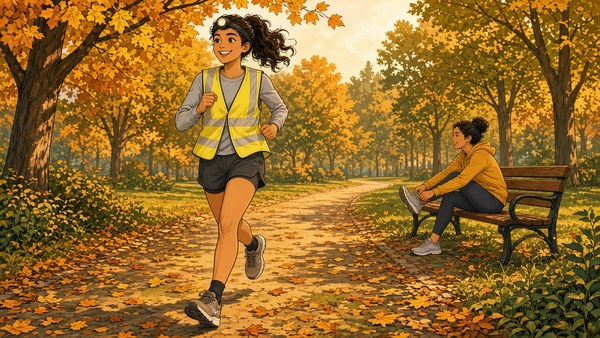
Keep moving, even when it is grey outside. Regular, moderate exercise is one of the best things you can do for your overall wellbeing. You do not need intense sessions; a brisk walk at lunchtime, a bike ride to work or a short home workout all count. Being active outdoors also gives you a dose of daylight, which helps your body keep a steady rhythm as the evenings draw in.
Make sleep a priority. When you are tired, everything feels harder, including fighting off a cold. Try to go to bed and wake up at similar times each day, dim the screens in the last hour before sleep and keep your bedroom cool and dark. Small changes, done consistently, tend to beat dramatic resolutions.
Eat colourful, seasonal food. Autumn offers plenty of good things: apples, pears, squash, cabbage, carrots and hearty soups. A varied plate with vegetables, fruit, whole grains and some protein supports your body without any need for complicated plans. Drinking enough water matters too, because dry indoor heating can leave you more dehydrated than you notice.
Wash your hands, and air your rooms. It sounds old-fashioned, but washing your hands properly with soap remains one of the simplest ways to reduce the spread of germs. Opening the windows for a few minutes several times a day brings in fresh air and helps keep indoor spaces more pleasant for everyone.
Ask about seasonal vaccinations. Many health services offer flu and other seasonal vaccinations in autumn, especially for older people, people with certain health conditions and those who work closely with others. If you are unsure whether this applies to you, a quick conversation with your doctor or pharmacist will clear it up.
Listen to your body. If you do catch something, rest is not laziness. Taking a day or two off training and staying home when you are clearly unwell helps you recover faster and protects colleagues and friends. Return to exercise gently once you feel better, rather than trying to make up for lost time all at once.
Staying healthy in autumn is less about special products and more about steady routines: movement, sleep, good food, fresh air and a little common sense. Build these into your week now, and the colder months can feel energising rather than exhausting. If symptoms are severe or last a long time, always seek medical advice.