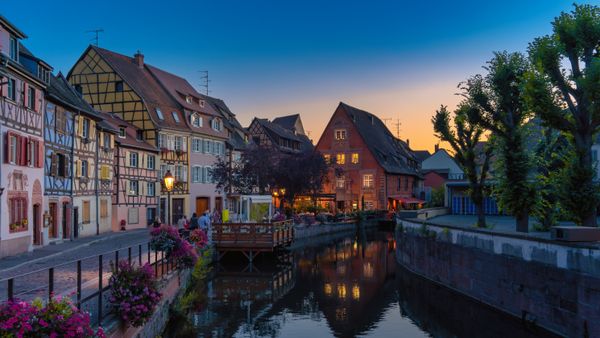
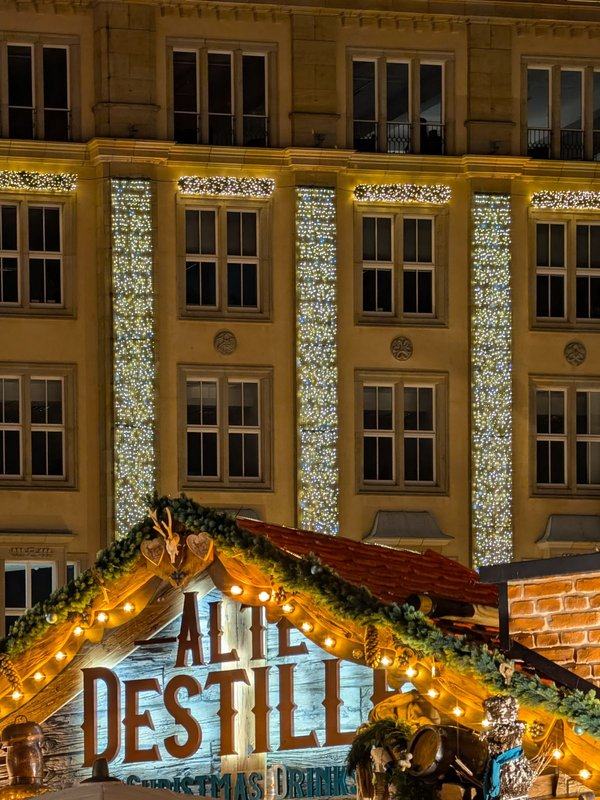
It may still feel like autumn outside, but the countdown to Christmas market season has quietly begun. In many European cities the wooden huts go up in mid to late November, and the most popular weekends fill up fast. If you dream of mulled wine, gingerbread and twinkling stalls, late October is the sweet spot to plan: early enough for good prices and choice, late enough to know your calendar.
Which market suits your kind of trip?
Not every Christmas market offers the same experience. Big-city markets are lively, with music, long opening hours and dozens of stalls, which makes them perfect for a busy weekend full of atmosphere. Smaller towns often have a single, charming market square where you can walk from end to end in half an hour and actually talk to the craftspeople. Some markets are known for handmade decorations, others for regional food or a medieval theme. Think about what you enjoy most, crowds and buzz or calm and character, and choose a destination around that rather than simply picking the most famous name.
A good compromise is to base yourself in a larger city and take a short train ride to a nearby town for one afternoon. You get variety without spending your whole trip in transit.
Book the smart way
Hotels near famous markets often raise their rates for the Advent weekends, especially Fridays and Saturdays. A few simple tricks help:
- Go midweek if you can. A Tuesday to Thursday stay is usually cheaper and the stalls are far less crowded.
- Look at the first or last week of the season. Opening week in late November and the days just before Christmas tend to be quieter than the middle weekends.
- Stay one stop away. Accommodation a short tram or train ride from the centre can cost noticeably less and is often more relaxed.
- Choose flexible rates. A free cancellation option gives you peace of mind if plans or weather change.
Travel light, travel by train
Christmas markets are almost always in historic city centres, where parking is limited and expensive. Arriving by train usually drops you within walking distance of the stalls and lets you enjoy a warm drink without worrying about the drive home. Booking rail tickets early often unlocks lower saver fares, so it is worth checking prices now rather than in December.
Pack for long, chilly evenings
The magic of a market really starts after dark, which also means the cold creeps in. Warm, waterproof shoes are the single most important item, since you will be standing and strolling on cobblestones for hours. Add a hat, gloves and a thin layer you can remove when you step into a café. A small tote bag is handy for gifts, and a little cash helps at stalls that do not take cards.
Make it feel special without overspending
Set a simple budget for food, drinks and souvenirs before you go. Many markets charge a deposit for festive mugs, so decide whether you want to keep one as a souvenir or return it. Try one regional speciality per day instead of grazing at every stall, and look out for free extras such as choir performances, lantern walks or nativity scenes.
Planning a little now means you can simply enjoy the lights, the smells and the cosy buzz when the season arrives. Pick your market, check the dates, and give yourself something warm to look forward to as the days grow shorter.