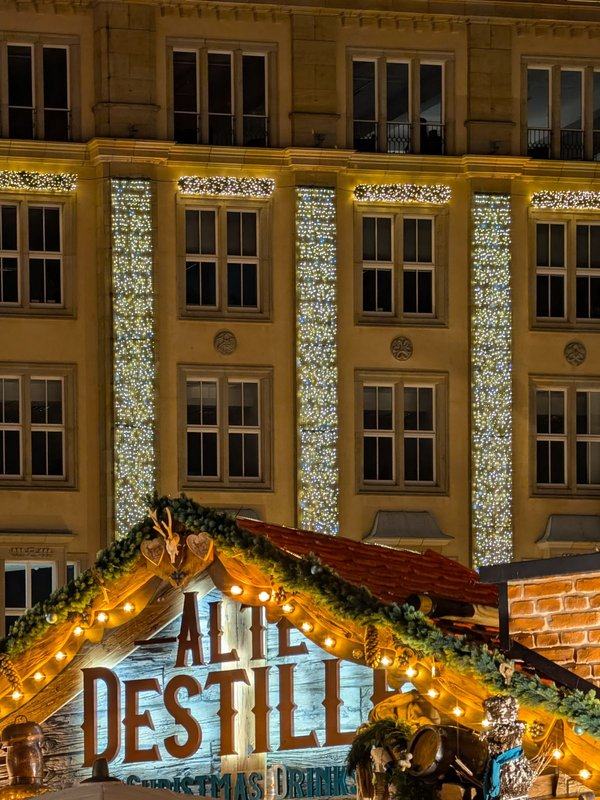

The first wooden huts are already going up in town squares across Europe, and in a week or two the smell of roasted almonds, mulled wine and grilled sausages will drift through many old towns again. Most Christmas markets open in the second half of November, which makes the next few days the perfect moment to plan a visit instead of simply drifting into the busiest Saturday of the season.
A little preparation goes a long way. The markets themselves have not changed much in centuries, but the crowds have. Popular cities now draw coach tours, weekend travellers and locals all at once, and a market that feels magical at five o’clock on a Tuesday can feel like a slow-moving queue on a December weekend.
When is the best time to go?
The quietest days are usually the first week after opening and any weekday afternoon. Arriving around three or four o’clock gives you the best of both worlds: there is still enough daylight to look at the crafts properly, and the lights switch on while you are there. Late evenings on weekdays are pleasant too, once the after-work rush has eased. If a weekend is your only option, go early. Many markets open their stalls before noon, and the first hour is calm enough to browse without elbowing anyone.
It also helps to look beyond the famous main market. Large cities often run several smaller markets in different districts, each with its own character: a medieval-themed one, a craft market in a courtyard, a small stretch of huts beside a church. These are often cosier, cheaper and far easier to enjoy with children.
For a short trip, consider a smaller town rather than the obvious big name. Regional markets in historic towns tend to be compact and walkable, local accommodation is easier to find, and the atmosphere can be more authentic because most visitors actually live nearby.
Practical tips for a relaxed visit
Dress for standing still, not for walking. It is surprising how cold your feet get after an hour of strolling and chatting between stalls, so warm boots, thin layers and gloves that let you hold a mug make a real difference. A small backpack keeps your hands free, and a bit of cash is still useful, although card payment is now accepted at most stalls.
Many markets charge a deposit for drinks mugs. You can return the mug for your money back or keep it as an inexpensive souvenir, and some people collect a mug from every market they visit. Bringing your own cloth bag for gifts and snacks reduces paper waste and keeps fragile items safe.
Set yourself a simple budget before you go. Between hot drinks, crêpes, candles and handmade decorations, small purchases add up quickly. Deciding in advance on one or two meaningful gifts, perhaps from a local craftsperson, often feels better than a bag full of impulse buys.
Finally, slow down. The best part of a Christmas market is rarely a specific stall. It is standing with friends or family under the lights, warming your hands and watching the evening arrive. Plan the timing, pack the right layers, and leave room for a second cup.