The first properly cold mornings have arrived, and with them the moment many households dread: switching the heating back on. Heating is usually the single largest energy cost in a home, so the habits you set in late October can shape your bills for the next five months. The encouraging part is that most savings come from small, practical steps rather than expensive renovations.
Here are five ways to stay warm without letting your energy costs run away from you this winter.
1. Check Your Tariff Before the Cold Really Bites
Energy contracts change more often than many people realise. If you have not looked at your tariff in a year or more, take half an hour to compare it with current offers. Look at both the unit price and the standing charge, and check whether your contract has an end date that could push you onto a more expensive default rate. A switch or a renegotiated fixed price can save more than any single change around the house, and it only takes one phone call or online form.
2. Lower the Temperature by One Degree
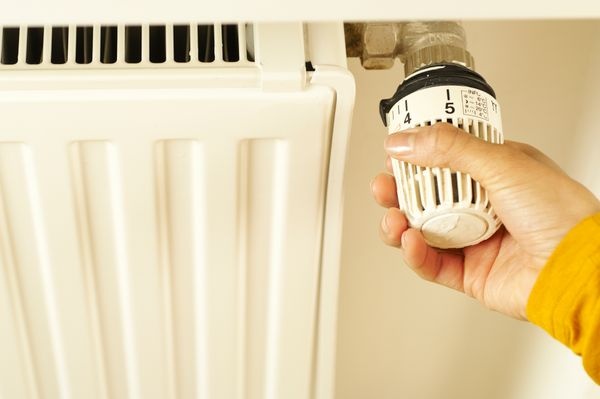
Turning the thermostat down by just one degree is one of the most reliable savings available, often trimming heating costs by around five to six percent. Most people barely notice the difference, especially if they wear a warm jumper indoors. Set different temperatures for different rooms where possible: living spaces can stay comfortable while bedrooms, hallways and spare rooms run a little cooler. Thermostatic radiator valves make this easy and cost very little.
3. Heat the People, Not Just the Rooms
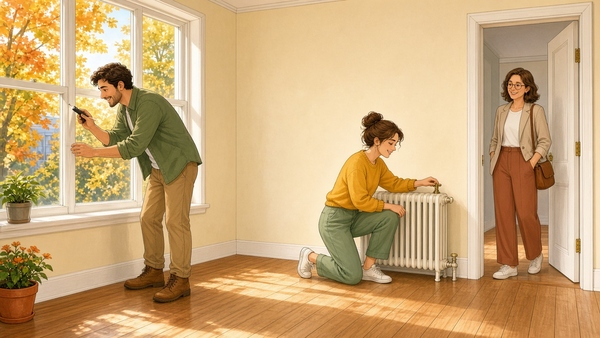
Close the doors of rooms you do not use and avoid heating them fully. Draw the curtains as soon as it gets dark to keep warmth from escaping through the windows, then open them again on sunny days to let in free heat. Do not block radiators with sofas or long curtains, because the warmth then disappears behind the furniture instead of reaching you.
4. Seal the Draughts You Can Feel
On a windy day, hold your hand near windows, doors, letterboxes and skirting boards. If you feel a cold breeze, you have found money leaking out of your home. Self-adhesive foam strips, brush seals for doors and a simple draught excluder cost only a few euros or pounds and can make a room feel noticeably warmer. Remember to keep some ventilation, though: a short, wide-open airing two or three times a day is better than leaving a window tilted for hours.
5. Track Your Usage and Set a Monthly Budget
Read your meter at the start of each month, or use your supplier’s app if you have one. Seeing the numbers regularly helps you spot unusual spikes early and shows whether your changes are working. Many households find it easier to spread costs evenly with a fixed monthly payment, so there is no nasty surprise in January. Put any savings you notice into a small buffer for the colder weeks ahead.
None of these steps requires a big investment, and together they can make a real difference to both comfort and cost. Start with your tariff and your thermostat this week, and you will enter winter feeling warmer and more in control of your household budget.