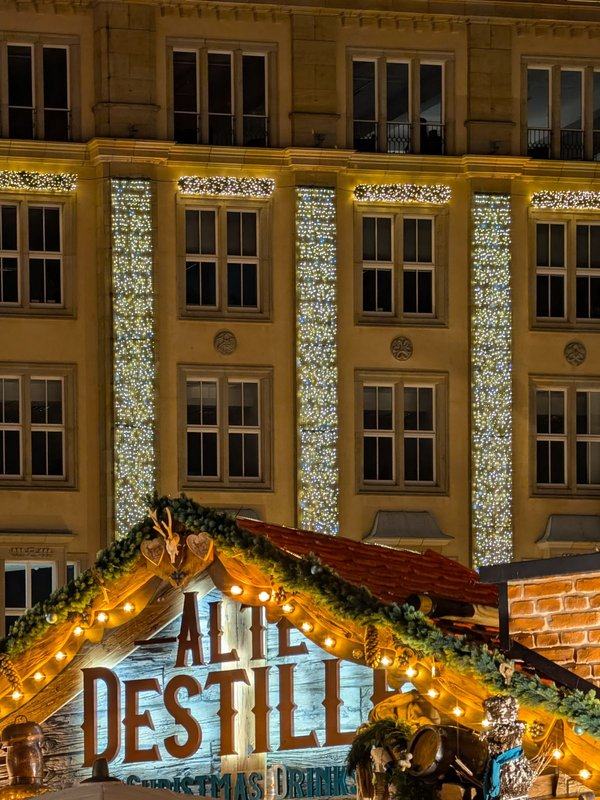
The lights are going up, the wooden huts are being assembled and the smell of roasted almonds is already drifting through many city centres. Christmas market season has begun. From late November until just before Christmas, squares across Europe turn into glowing winter villages that attract millions of visitors. With the first Sunday of Advent falling on November 29 this year, many of the classic markets open in the coming days.
Whether you are planning a weekend trip or just a stroll through your own town, a little preparation can make the experience far more enjoyable.
Where does the tradition come from?
Christmas markets have deep roots in the German-speaking world. Records of winter markets in Vienna go back to the late Middle Ages, and Dresden’s Striezelmarkt is traditionally dated to 1434, making it one of the oldest documented Christmas markets in Germany. Originally, these were practical events where townspeople bought meat, tools and supplies for the cold months. Over the centuries they evolved into festive gatherings with crafts, sweets and music.
Nuremberg’s Christkindlesmarkt, opened by the Christkind on the Friday before the first Advent, has become a symbol of the tradition, while Strasbourg proudly calls itself the capital of Christmas. Today the concept has spread far beyond its origins, with popular markets in Britain, Scandinavia, Central Europe and even North America.
Tips for a better visit
- Go early or on weekdays. Weekend evenings at famous markets can be extremely crowded. A weekday afternoon offers more space, shorter queues and better photos as the lights come on at dusk.
- Dress in layers. You will spend hours outdoors, often standing still. Warm shoes, gloves and a hat make a huge difference.
- Bring some cash. Many stalls accept cards now, but smaller vendors may still prefer cash.
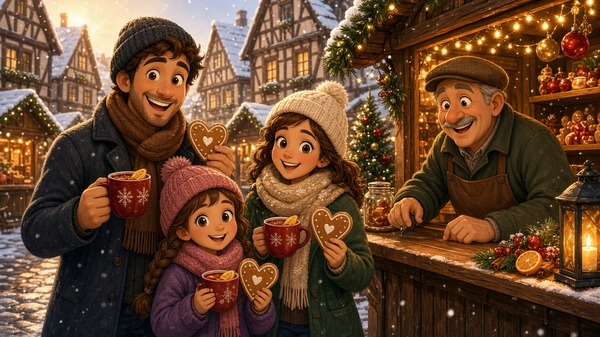
- Keep your mug. Hot drinks are usually served in ceramic mugs with a deposit. You can return it for a refund or keep it as a souvenir.
- Book accommodation early. Hotels in popular market cities fill up fast, especially on December weekends.
What to eat and drink
Food is a big part of the fun. Mulled wine, known as Glühwein in Germany and vin chaud in France, is the classic, but most markets also offer non-alcoholic punch for children and drivers. Look out for regional specialities: Nuremberg bratwurst and Lebkuchen gingerbread, Dresden Stollen, Alsatian bredele biscuits, potato pancakes with apple sauce, roasted chestnuts and sugared almonds.
Small markets, big charm
The famous names are spectacular, but do not overlook smaller markets. Village squares, castle courtyards and medieval-themed markets often have a more relaxed atmosphere, local crafts and fewer crowds. Many are run by volunteers and support local charities.
Christmas markets are, at heart, about slowing down. Meet friends after work, listen to a brass band, buy a handmade decoration and enjoy the glow of the stalls. In a busy season, that simple pleasure might be the best gift of all.